
Forex Trading in India: Opportunities and Pitfalls for the Aspiring Trader
In the dynamic world of finance, Forex trading stands out as a realm of vast potential and significant risk, particularly in India’s evolving market landscape. Understanding the regulatory frameworks, opportunities for profit, and the inherent pitfalls is crucial for aspiring traders navigating this complex domain. Explore the essentials of Forex trading, from its global implications to strategies that can enhance success, as we delve into the multifaceted journey of trading in India.
Definition of Forex Trading
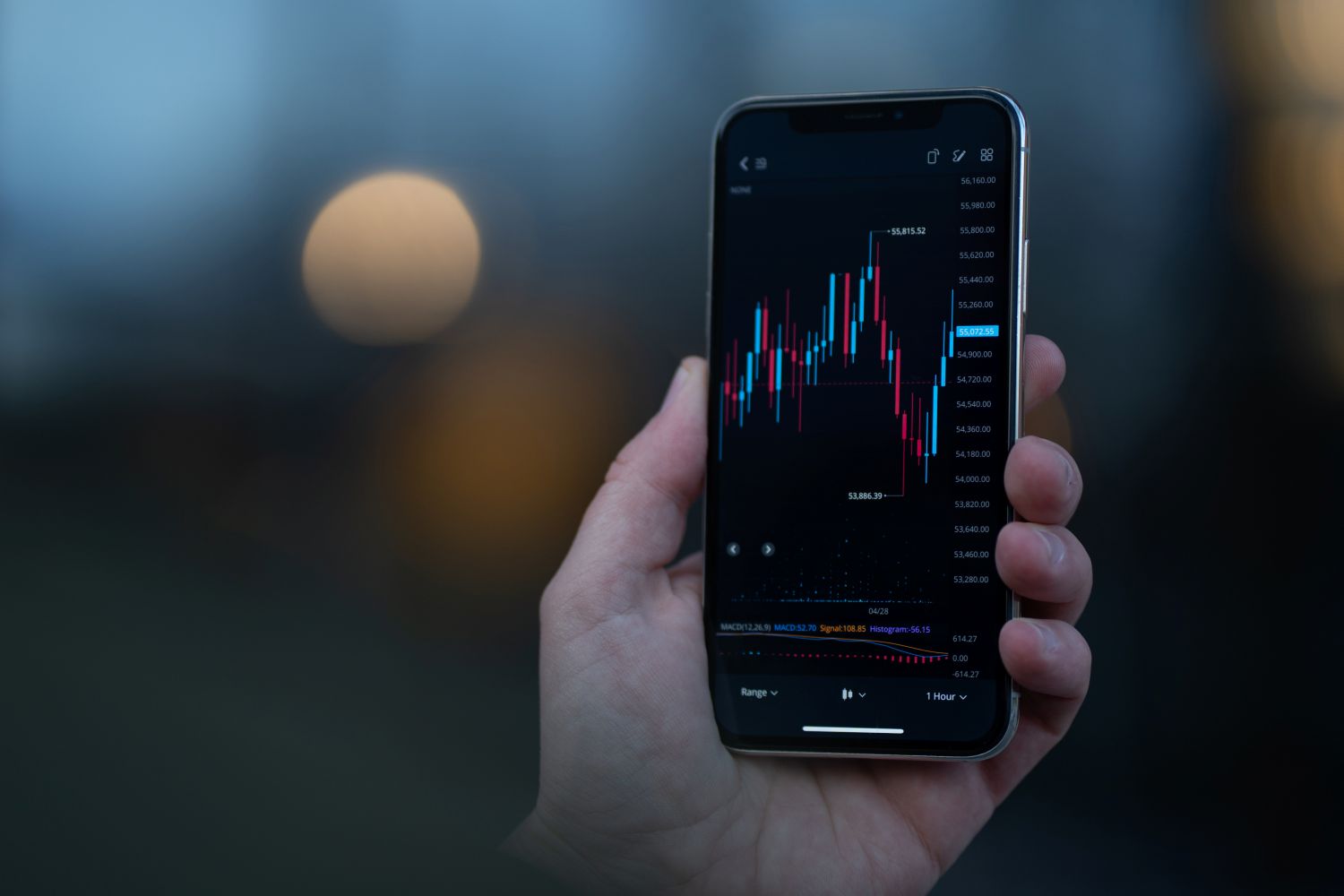
Forex trading involves the buying and selling of currency pairs within a market that operates 24 hours a day, making it the largest financial market in the world, with a daily trading volume exceeding $6 trillion. In the realm of Forex trading, key currency pairs include major pairs such as EUR/USD (Euro to US Dollar) and USD/JPY (US Dollar to Japanese Yen), which generally provide the highest levels of liquidity. Traders often utilize platforms such as MetaTrader 4 or 5 to facilitate real-time analysis and execution of trades.
Trading strategies can vary significantly, ranging from scalping-which focuses on executing quick trades for small profits-to swing trading, which seeks to capitalize on larger price movements over a span of days. Additionally, familiarizing oneself with economic indicators, such as interest rates and employment figures, can substantially enhance trading decisions.
Importance of Forex in Global Markets
The Forex market plays a vital role in international trade by enabling businesses to convert currencies and manage risks associated with currency fluctuations. This high level of liquidity allows firms to conduct cross-border transactions with ease. For example, when a U.S. company imports goods from Europe, it can efficiently convert dollars to euros at real-time exchange rates, thereby ensuring equitable pricing.
Moreover, Forex trading significantly influences investment decisions; fluctuations in currency values can necessitate strategic adjustments, prompting investors to engage in hedging activities through instruments such as options. A stable Forex market is essential for maintaining economic stability, as it reinforces investor confidence and facilitates smoother capital flows across borders, which is crucial for global commerce.
Regulatory Framework
India’s Forex trading landscape operates under a robust regulatory framework that aims to ensure fair practices and safeguard market integrity.
Key Regulatory Bodies
In India, the primary regulatory authorities responsible for overseeing foreign exchange trading are the Reserve Bank of India (RBI) and the Securities and Exchange Board of India (SEBI). These institutions are tasked with enforcing compliance and protecting investor interests. The RBI serves as the main regulator of the Forex market in accordance with the Foreign Exchange Management Act (FEMA) of 1999. It manages currency exchange rates and ensures market liquidity by issuing guidelines to banks and financial institutions regarding foreign currency transactions. Conversely, SEBI oversees transactions related to derivatives and international trading within the stock market, ensuring adherence to fair trading practices. It actively monitors potential market manipulations and safeguards investors against fraudulent activities. Together, the RBI and SEBI work to ensure that Forex trading occurs within established legal frameworks, thereby enhancing market integrity and fostering confidence among investors.
Legal Aspects of Forex Trading
Understanding the legal framework governing Forex trading in India, particularly the Foreign Exchange Management Act (FEMA), is essential for traders seeking to operate within the parameters of the law. Traders are required to register with the Reserve Bank of India (RBI) and may only engage in trading through authorized dealers. It is imperative to comply with the regulations regarding currency pairs, as trading is restricted to specified pairs, such as the Indian Rupee (INR) with major currencies.
Engaging in speculative trading or utilizing unregistered platforms can result in significant penalties. To maintain compliance, it is advisable to regularly review the RBI’s guidelines and consider utilizing regulatory monitoring software such as ComplyAdvantage. By educating themselves on these legal requirements, traders can ensure a secure and lawful trading experience.
Opportunities for Aspiring Traders
The Indian Forex market offers a multitude of opportunities for aspiring traders, characterized by high liquidity and a wide range of trading options that accommodate various strategies.
High Liquidity and Market Accessibility
With a daily trading volume exceeding $6 trillion globally, the Forex markets provide unparalleled liquidity, enabling traders to enter and exit positions with remarkable ease. This liquidity facilitates tight spreads and minimizes slippage, which is essential for both scalpers and long-term traders. For example, traders can utilize tools such as MetaTrader 4 to execute trades rapidly, capitalizing on price fluctuations without encountering significant delays. The continuous availability of currency pairs ensures that traders are not constrained by time zones, allowing opportunities to be pursued 24 hours a day, five days a week. By leveraging these favorable conditions, traders can enhance their strategies and effectively optimize their returns.
Diverse Trading Options
Traders have the opportunity to select from a diverse array of currency pairs, including major, minor, and exotic pairs, enabling them to develop personalized trading strategies aligned with their objectives. Major pairs, such as EUR/USD and GBP/USD, generally provide high liquidity and lower spreads, making them particularly suitable for day trading strategies. In contrast, minor pairs like AUD/NZD may experience lower trading volumes but can be advantageous for traders seeking to explore options beyond the U.S. dollar. Exotic pairs, such as USD/THB, often exhibit greater volatility, attracting traders who prefer higher risk. To formulate an effective trading strategy, it is advisable to utilize tools such as MetaTrader 4 for comprehensive charting and technical analysis. Additionally, employing strategies like swing trading can facilitate the capitalization on price movements over extended periods, ranging from days to weeks.
Common Pitfalls in Forex Trading
Despite its potential for profitability, Forex trading presents several common pitfalls that, if not properly managed, can result in substantial financial losses.
Market Volatility Risks
The inherent volatility of the foreign exchange (Forex) market can lead to rapid price fluctuations, presenting both opportunities and risks that traders must navigate with caution.
Traders encounter risks, including sudden news events that can result in price swings of several hundred pips within a matter of minutes. For example, an unexpected interest rate announcement may cause a currency pair to experience an immediate shift of up to 2%.
To effectively manage this risk, traders may implement strategies such as:
- Setting stop-loss orders
- Diversifying their portfolios
- Utilizing options for hedging purposes
Additionally, tools such as MetaTrader facilitate real-time tracking of price changes and provide alerts for significant market events, thereby assisting traders in making informed decisions promptly.
Leverage and Margin Risks
While leverage can enhance profits in Forex trading, it also considerably elevates the risk of margin calls and potential losses, underscoring the importance of effective risk management.
To manage these risks effectively, traders should prioritize the implementation of strict stop-loss orders, which automatically limit potential losses, alongside employing appropriate position sizing to ensure that no more than 1-2% of their trading capital is at risk on a single trade.
Utilizing a demo account is advantageous for traders, as it allows them to practice leveraging strategies without the pressure of financial loss, thereby facilitating a deeper understanding of market dynamics. Furthermore, remaining informed about market news and economic indicators is crucial in aiding traders to make well-informed decisions.
Strategies for Successful Trading
The adoption of effective trading strategies is essential for achieving success in the Forex market, where both technical and fundamental analyses are of paramount importance.
Technical Analysis Techniques
Technical analysis entails the examination of price charts and the application of indicators such as Moving Averages and the Relative Strength Index (RSI) to predict future market movements. A particularly effective approach involves the combination of various indicators to achieve a comprehensive analysis. For example, employing the 50-day and 200-day Moving Averages can assist in identifying long-term trends; a scenario in which the 50-day Moving Average crosses above the 200-day is regarded as a bullish signal, commonly referred to as a “golden cross.”
The RSI, which operates on a scale from 0 to 100, serves to identify overbought or oversold conditions, with readings exceeding 70 typically indicating an overbought market and those falling below 30 suggesting an oversold condition. By integrating these analytical tools, traders can make well-informed decisions regarding their entry and exit points in the market.
Fundamental Analysis Overview
Fundamental analysis emphasizes the importance of understanding economic indicators, news events, and geopolitical factors that influence currency values and market trends.
Key economic indicators to monitor include:
- Gross Domestic Product (GDP)
- Unemployment rates
- Inflation data
For instance, an increase in GDP signifies economic growth, which typically has a positive effect on currency strength. Central bank policies, particularly interest rate decisions, have a direct impact on currency values; therefore, it is essential for traders to remain informed about announcements from institutions such as the Federal Reserve or the European Central Bank. Furthermore, it is important to observe geopolitical events, including trade agreements and conflicts, as these can introduce market volatility. Utilizing economic calendars can assist traders in aligning their strategies with these critical developments.
Future of Forex Trading in India
The emergence of online trading platforms and mobile applications is transforming Forex trading in India, making it accessible to a wider audience. Traders are now utilizing mobile platforms such as Zerodha Kite and Upstox, which provide comprehensive features including real-time analytics and user-friendly interfaces. Automated trading systems, available through platforms like MetaTrader 4, enable users to implement algorithms that execute trades based on predefined criteria. This capability enhances efficiency and minimizes manual errors. Furthermore, regulatory changes instituted by the Securities and Exchange Board of India (SEBI), including increased leverage limits and enhanced investor protection laws, are contributing to the establishment of a safer trading environment. Together, these advancements equip both novice and experienced traders with the tools necessary to effectively optimize their trading strategies.